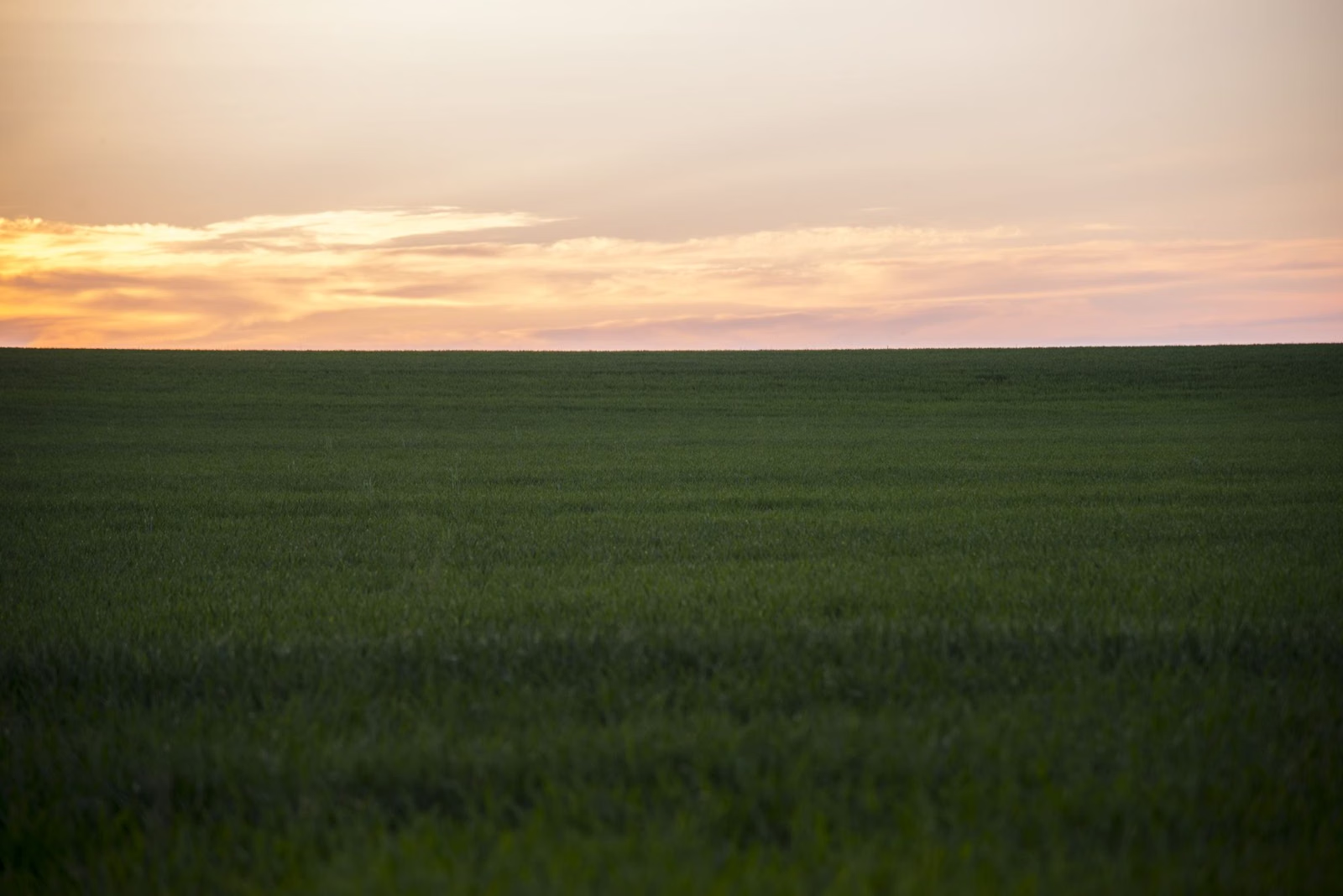
History of the Sanctuary
From farmland to 75 years of Mass Audubon
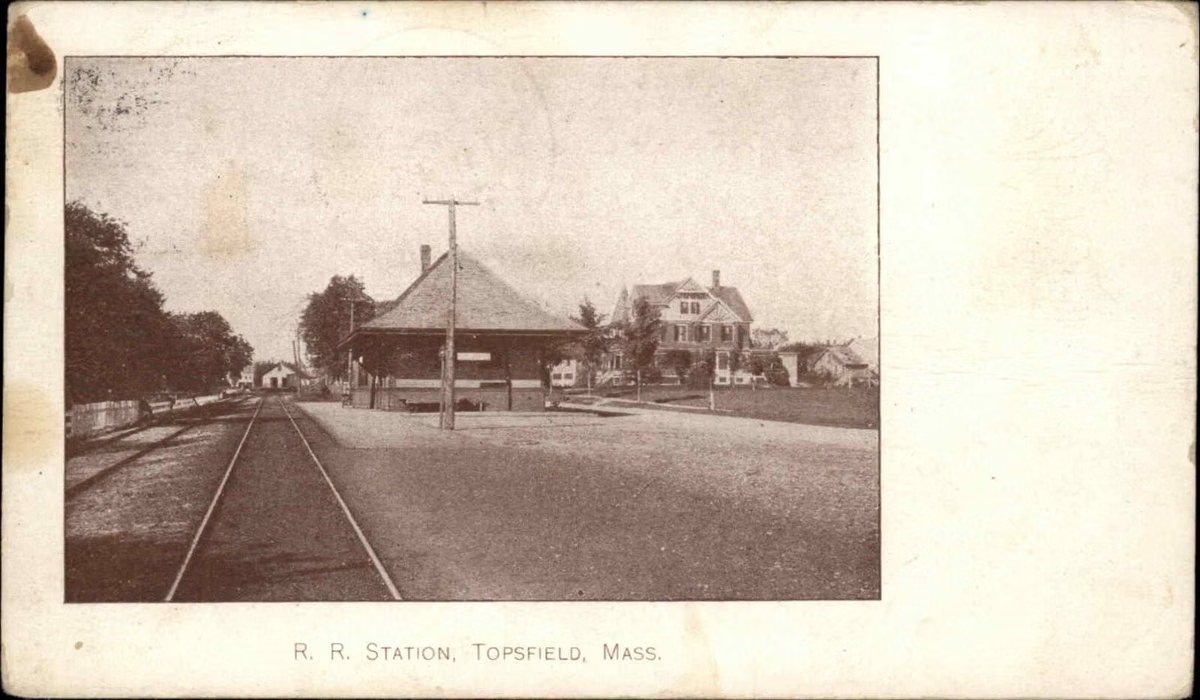
Mass Audubon acquired the first parcels of Ipswich River Wildlife Sanctuary in 1951, and the sanctuary is celebrating its 75th anniversary in 2026. The land's story is far older: Indigenous homelands for thousands of years, European settlers from the early 1600s, then the era of "gentleman farmer" Thomas Proctor, who shaped the 1905 Rockery and the arboretum. Today the sanctuary covers 1,978 acres in Topsfield.
History at a Glance
Before the English
Mass Audubon's anniversary programs began with the region's first peoples: thousands of years before the sanctuary, this land was home to the Indigenous peoples of the Northeast. Essex County Greenbelt notes that land along the Ipswich River is the ancestral homeland of the Pennacook and the Pawtucket, Abenaki-speaking peoples. Upriver near Fish Brook stood Shenewemedy, a Pawtucket village whose cleared fields gave the first English settlers the name for their plantation.
Farms: the Bradstreets and Averills
Mass Audubon describes 350 years of history here, from European settlers in the early 1600s through 1951. Mass Audubon's history talk introduces the Bradstreet and Averill families and follows the rhythms of 1800s farm life on this land. Both names appear on today's map: Bradstreet Hill, where the visitor center stands, and Bradstreet Lane; and Averill's Island, out in the wetlands. Walk Bradstreet Lane, an old carriage road by the fields, to see the farm landscape.
The Thomas Proctor Era
In Mass Audubon's words, the era of "gentleman farmer" Thomas Proctor shaped much of what visitors love about the sanctuary today, including the Rockery and the arboretum. The Rockery, a man-made grotto of stone passages and caves beside Rockery Pond, dates to 1905.
The Innermost Cabin, a small rustic cabin (about 9 by 16 feet) off the Innermost Trail, was built in 1915. Mass Audubon now rents it to members for overnight stays.
Mass Audubon Arrives, 1951
Mass Audubon acquired its first parcels in 1951. Over the following decades it carried out major ecological management projects and building and grounds improvements, grew public programs and a summer camp, and recruited the volunteers who, in Mass Audubon's telling, helped build a thriving community here.
Caring for the Land
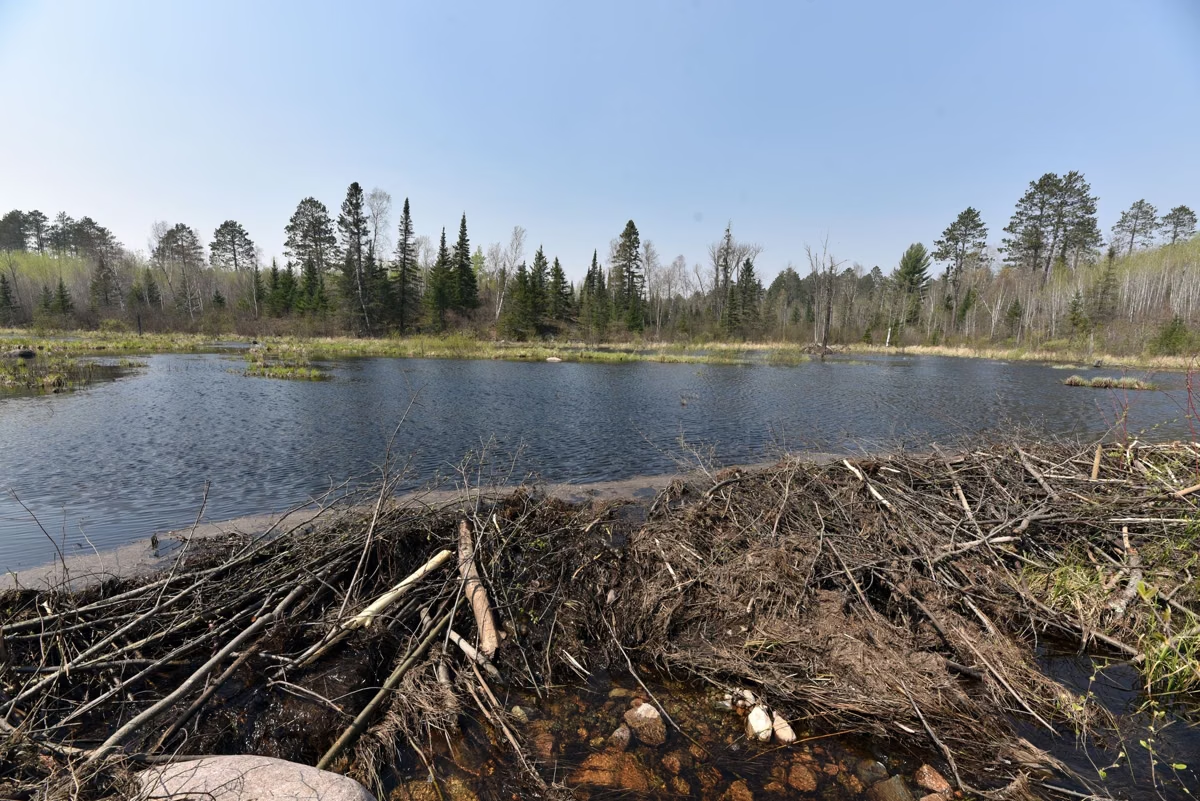
Mass Audubon's anniversary walk pointed out the visible signs of its stewardship: beaver deceivers, waterfowl ponds, and grasslands being defended against invasive plants. The work continues: an All Persons Trail is planned for late 2027 or 2028.
The 75th Anniversary, 2026
In 2026 Mass Audubon is marking 75 years with a series of talks and walks running from September 17 through November 7: a history talk from colonial settlement through 1951; a twilight walk with poets in the landscape; the Perkins Picnic community party on October 3; Indigenous storytelling and cultural programs with Anne Jennison and Larry Spotted Crow Mann; a look back through the archives with Sanctuary Director Carole McCauley; and a stewardship walk. The celebration is supported by the New England Biolabs Foundation and the Essex National Heritage Commission. See programs and events for what's coming up.
The Glacial Story Underfoot
The sanctuary's landforms are older than any of its owners. Mass Audubon's trail guide points out a drumlin (the hill the Drumlin Trail circles), an esker (the raised ridge left by a glacial stream that the South Esker Trail follows; the map also names a North Esker Trail), a vernal pool, and glacial rocks scattered along the South Esker.
History FAQ
When was Ipswich River Wildlife Sanctuary founded?
Mass Audubon acquired the first parcels in 1951. The sanctuary is celebrating its 75th anniversary in 2026.
Who built the Rockery at Ipswich River?
It dates to 1905, in the era of gentleman farmer Thomas Proctor, whom Mass Audubon credits with shaping the Rockery and the arboretum.
Who owns Ipswich River Wildlife Sanctuary?
Mass Audubon, the Massachusetts Audubon Society, a nonprofit conservation organization.
What are the Bradstreet and Averill names on the map?
Families from the sanctuary's past, introduced in Mass Audubon's 75th-anniversary history talk. Bradstreet Hill holds the visitor center; Averill's Island lies out in the wetlands.
How old is the Innermost Cabin?
It was built in 1915.