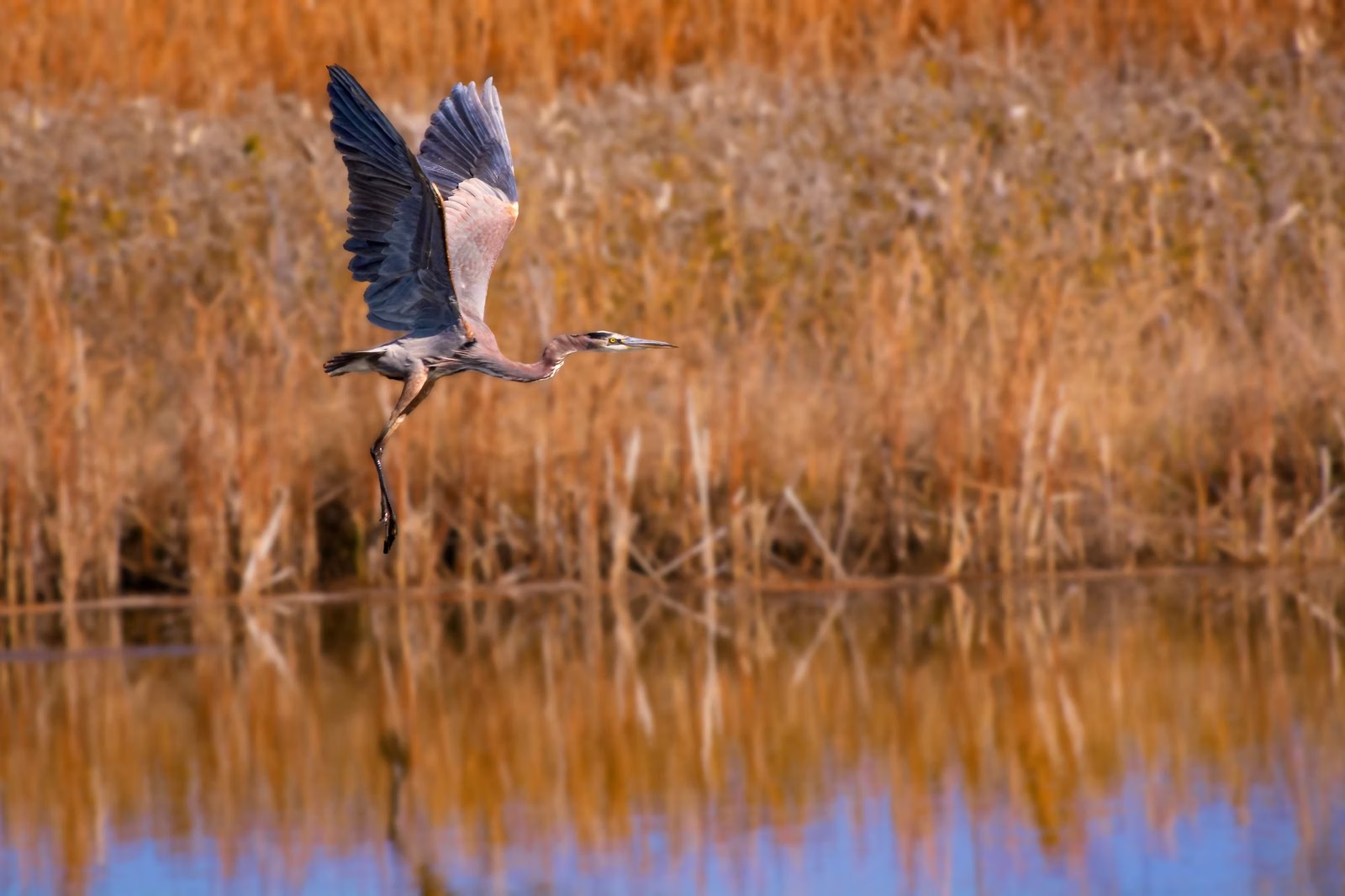
Birding at Ipswich River
Nearly 250 species in woods, meadows and marsh
Ipswich River Wildlife Sanctuary has a bird list approaching 250 species across mixed woodland, wetland and grassland, and Mass Audubon says that mix gives birdwatchers productive visits in every season. The visitor center lends binoculars. Highlights run from spring songbird migration to secretive marsh birds in summer and thousands of waterfowl settling into Bunker Meadows on fall evenings.
Birding at a Glance
Birds by Season
Spring
Large numbers of migrating songbirds use the sanctuary to rest and refuel on the way north, according to Mass Audubon. Work the woodland edges and the trails around the visitor center early in the morning. Along Bradstreet Lane, the old carriage road by the fields, Mass Audubon's trail guide says to look for eastern bluebirds.
Summer
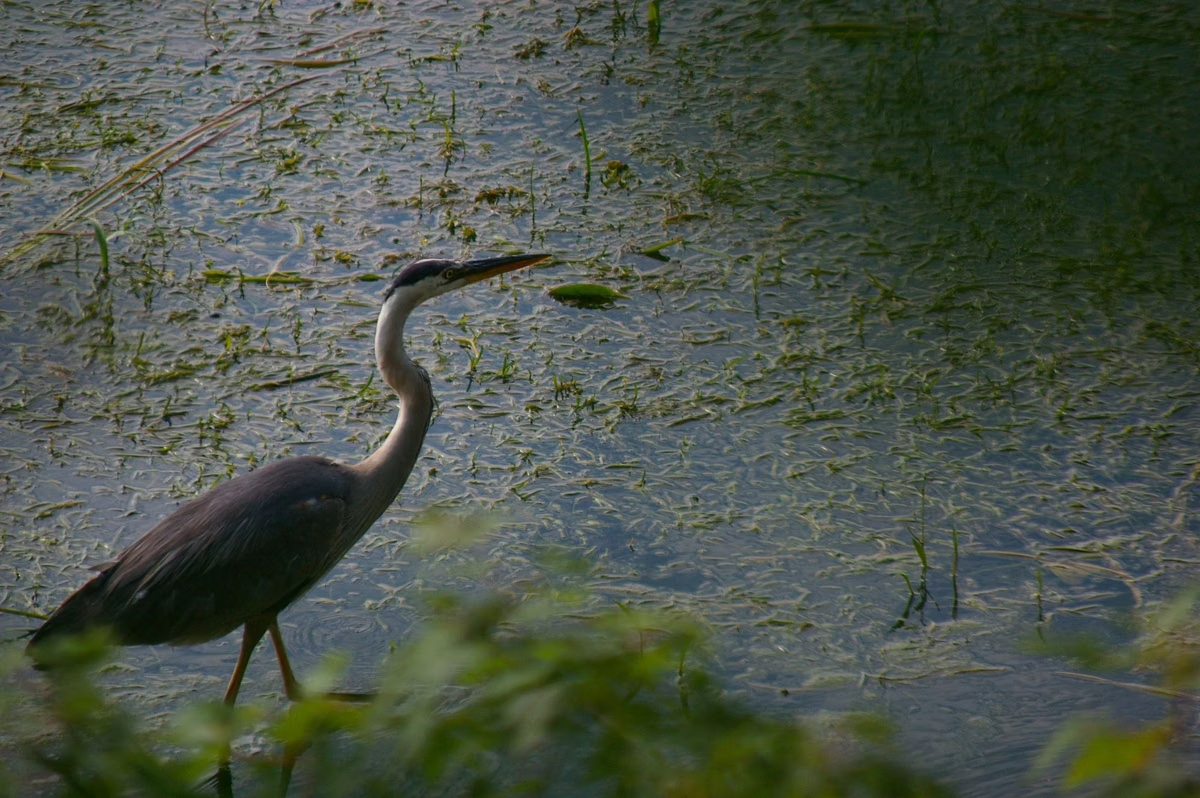
Summer is for listening. Mass Audubon points to secretive wetland breeders: Virginia rail, sora and least bittern. They're far easier to hear than to see, so stand quietly on a marsh boardwalk at dawn or dusk. The Rockery Trail boardwalk is reliable for waterfowl and red-winged blackbirds.
Fall
Each autumn, thousands of waterfowl take refuge in Bunker Meadows during the evening hours. Boats aren't allowed to enter Bunker Meadows, and the Observation Tower that overlooks it is closed until further notice, so watch from the trails nearby. Check closing time first: the trails close at dusk.
Winter
Mass Audubon lists a diversity of woodland residents in winter, including the pileated woodpecker — a good reason to walk the wooded trails on a cold, clear morning.
Where to Look
- Bradstreet Lane (0.3 mile): field edges and bluebirds.
- Rockery Trail (0.5 mile): marsh boardwalks, waterfowl, red-winged blackbirds.
- Stone Bridge Trail (0.2 mile) and South Esker Trail (0.5 mile): open water, marsh and cattails.
- The Averill's Island boardwalk and the trails around Waterfowl Pond and Mill Pond, shown on the trail map.
- From a canoe: the Ipswich River outside Bunker Meadows, May to October (rentals).
Gear, Checklists and eBird
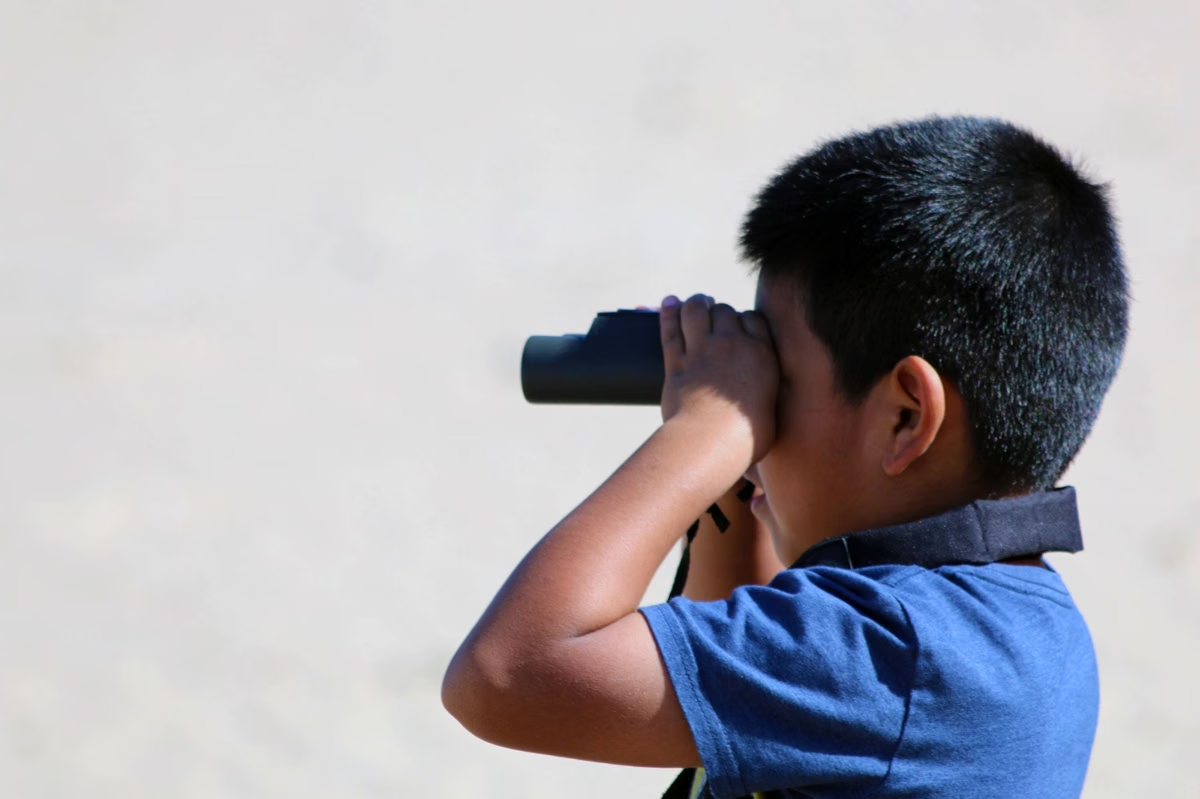
The visitor center lends binoculars and sells field identification guides. Mass Audubon publishes a free statewide bird checklist you can use to track what you see, and it asks visitors to submit sightings to eBird, the Cornell Lab of Ornithology project Mass Audubon collaborates on. See hours and admission before you go.
Bird Walks and Programs
Mass Audubon runs guided birding programs, including Wednesday Morning Birding sessions at Ipswich River and at its Joppa Flats center in Newburyport. Dates change every season; see programs and events for how to find the current calendar.
What About Hand-Feeding Chickadees?
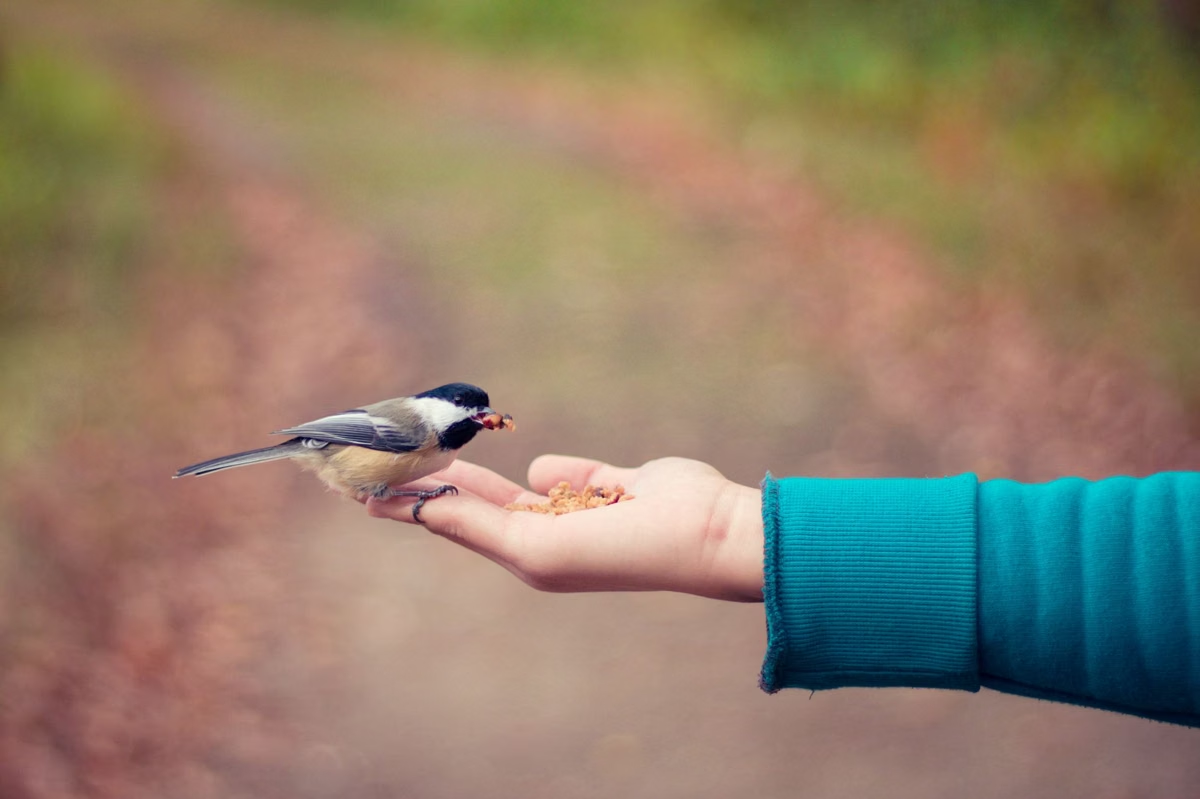
The Ipswich River Watershed Association's wildlife page still says many visitors enjoy hand-feeding chickadees, tufted titmice and nuthatches here on winter walks. Mass Audubon's current property regulations prohibit feeding wildlife, so leave the seed at home. Watching from a respectful distance is the rule now.
More Birding Nearby
The Ipswich River Watershed Association singles out Willowdale State Forest as habitat for eight state-listed rare species, including the least bittern, and lists Bradley Palmer State Park among the watershed's important birding properties. Both are next door; see things to do in Topsfield.
Good For / Maybe Skip If
- Good for beginners: loaner binoculars, short trails and boardwalks with open views.
- Good for marsh birds you rarely see elsewhere: rails and bitterns in summer.
- Maybe skip evening waterfowl watching late in the day if you can't be out by dusk; the trails close then.
- Maybe skip Mondays — the sanctuary is closed except on Monday holidays.
Birding FAQ
How many bird species have been seen at Ipswich River Wildlife Sanctuary?
Mass Audubon says the sanctuary's list is approaching 250 species.
When is the best time for birding at Ipswich River?
Every season has something: spring songbird migration, summer marsh breeders such as Virginia rail and least bittern, fall waterfowl in Bunker Meadows, and winter woodpeckers.
Can I borrow binoculars at Ipswich River?
Yes. The visitor center lends binoculars and sells field guides.
Can you hand-feed chickadees at Ipswich River Wildlife Sanctuary?
No. Mass Audubon's current regulations prohibit feeding wildlife, even though hand-feeding chickadees was once a well-known custom here.
Where is the best bird watching in Massachusetts' North Shore?
Ipswich River Wildlife Sanctuary is a top pick for its near-250-species list. The Ipswich River Watershed Association also names Willowdale State Forest, Bradley Palmer State Park and Crane Beach.